The cultural significance of casinos in modern society
Historical Perspective on Casinos
Casinos have a long-standing history that dates back centuries, originating in Italy during the Renaissance. Initially, they served as venues for social gatherings and entertainment, rather than solely for gambling. Over the years, casinos evolved into establishments that not only offer games of chance but also contribute to the cultural fabric of cities. They have become symbols of excitement and indulgence, attracting individuals seeking leisure and a break from daily routines. One example of this engaging experience can be found at https://fortuneclockcasino.co.uk/, where players can enjoy a diverse range of games.
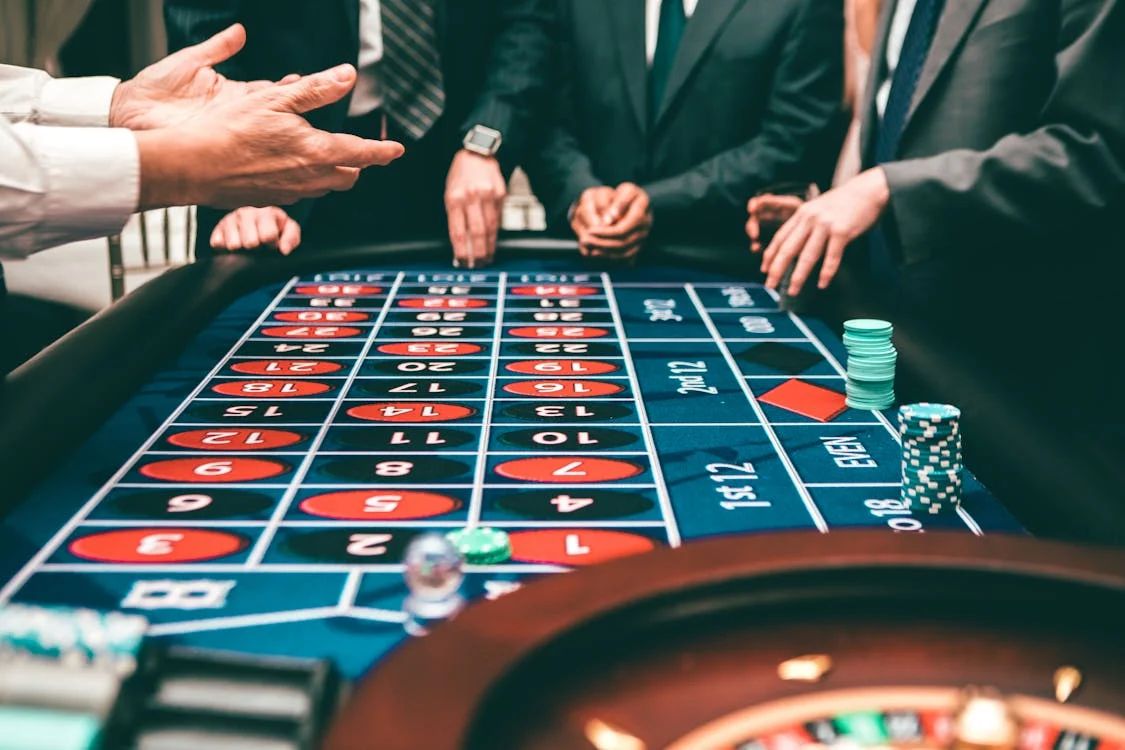
This historical evolution reflects societal changes and shifting attitudes toward gambling and entertainment. As cities grew and economies developed, casinos began to represent a fusion of leisure and luxury, drawing people from various backgrounds. This cultural significance has only deepened in modern society, where casinos are seen as a blend of tradition and contemporary entertainment.
Casinos as Social Hubs
In contemporary culture, casinos have transformed into social hubs where people gather, interact, and create community. They offer a unique environment that encourages socialization, often featuring restaurants, bars, and live entertainment alongside gaming options. This multi-faceted approach appeals to a diverse audience, from casual visitors to avid gamblers, making casinos integral to local social life.
The atmosphere of a casino fosters camaraderie and shared experiences, breaking down barriers among individuals from varied walks of life. Whether celebrating a special occasion or simply enjoying a night out, casinos serve as venues for shared enjoyment, thus solidifying their role in modern societal dynamics.
The Economic Impact of Casinos
Casinos significantly impact local and national economies. They create thousands of jobs, from hospitality to gaming management, and serve as major tax revenue sources for governments. This economic boost extends beyond the casinos themselves, as increased tourism can lead to heightened activity in surrounding businesses, such as hotels, restaurants, and retail shops.
Moreover, many casinos engage in community development initiatives, contributing to local charities and sponsoring events. This sense of corporate responsibility adds another layer to their cultural significance, as casinos position themselves as active community members rather than merely profit-driven entities.
Debunking Gambling Myths
Despite their cultural prominence, casinos often face misconceptions about gambling and its implications. Common myths include the belief that gambling leads to addiction or financial ruin for everyone involved. In reality, responsible gambling practices are emphasized in many casinos, along with support for those who may struggle with gambling-related issues.
Additionally, the idea that casinos are solely for high rollers is misleading. Modern casinos cater to a wide range of budgets and preferences, offering various games and betting options. By debunking these myths, society can foster a more informed perspective on gambling, recognizing it as a form of entertainment rather than solely a vice.

Fortune Clock Casino: A Modern Gaming Experience
Fortune Clock Casino embodies the cultural significance of casinos in the digital age, offering an engaging online gaming platform that appeals to a broad audience. With a variety of games, including slots and table options, it provides excitement and entertainment to players wherever they are. The sleek interface and mobile app enhance the gaming experience, making it accessible and enjoyable.
New users can take advantage of attractive bonuses, allowing them to explore the platform without financial risk. By ensuring fast payouts and offering dedicated customer support, Fortune Clock Casino exemplifies how modern casinos adapt to the needs of society while maintaining their cultural relevance in today’s fast-paced world.